Online slots: RTP and volatility explained
Two numbers decide how an online slot behaves. RTP, or return to player, is the long-run percentage a game pays back; online slots RTP figures usually sit between 94% and 97%. Slot volatility describes how that return arrives: high slot volatility means rare but larger wins, while low slot volatility pays smaller amounts more often. Reading online slots by RTP and slot volatility together tells you far more than the theme ever will.
 Gates of OlympusRTP 96.5%
  Sweet BonanzaRTP 96.51%
  Big Bass BonanzaRTP 96.71%
  Wolf GoldRTP 96.01%
  The Dog HouseRTP 96.51%
  Fruit PartyRTP 96.5%
  Sugar RushRTP 96.5%
  StarburstRTP 96.09%
  Gonzo's QuestRTP 95.97%
  Divine FortuneRTP 96.59%
 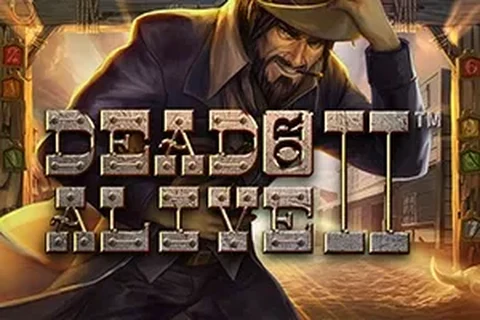 Dead or Alive IIRTP 96.82%
 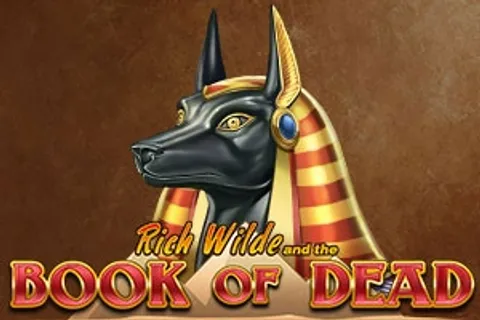 Book of DeadRTP 96.21%
  ReactoonzRTP 96.51%
  Legacy of DeadRTP 96.58%
  Moon PrincessRTP 96.5%
  Rise of OlympusRTP 96.5%
  Crazy Time
 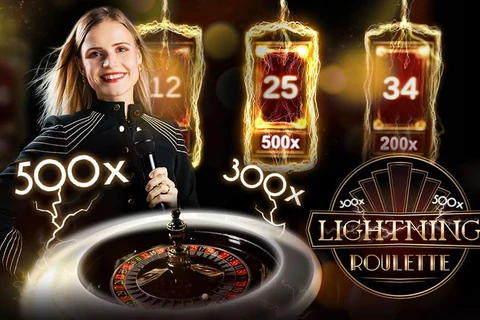 Lightning Roulette
 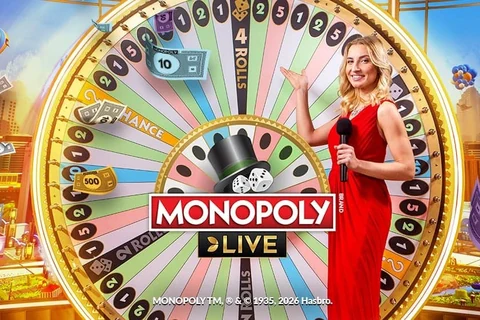 Monopoly Live
  Crazy Coin Flip
  Immortal RomanceRTP 96.86%
  9 Masks of FireRTP 96.24%
  Mega MoolahRTP 88.1%
  Thunderstruck IIRTP 96.65%
  BonanzaRTP 96%
  White RabbitRTP 96.5%
  Extra ChilliRTP 96.5%
  Wanted Dead or a WildRTP 96.38%
  Le BanditRTP 96.31%
  Chaos CrewRTP 96.3%
  MentalRTP 96.08%
  San Quentin xWaysRTP 96.03%
  Fire in the Hole xBombRTP 96.06%
  Razor SharkRTP 96.7%
  Jammin' JarsRTP 96.83%
  Fat RabbitRTP 96.45%
  Pirates' PlentyRTP 96.13%
  Dragon's LuckRTP 95.76%
  Gonzo's Quest MegawaysRTP 96%
  Fishin' FrenzyRTP 96.12%
  TedRTP 95.5%
  Rick and Morty MegawaysRTP 96.5%
  Money Train 3RTP 96.1%
  Money Train 2RTP 96.4%
  Temple TumbleRTP 96.29%
  Rainbow RichesRTP 95%
  88 FortunesRTP 96%
  Raging RhinoRTP 95.6%
  Vikings Go BerzerkRTP 96.1%
  Valley of the GodsRTP 96.2%
  Vikings Go to HellRTP 96.1%
 Studios & their classics
14 leading studios, 51 titles — each as a free browser demo. Pick a studio to open its games.
No studio or game found.
Gates of Olympus
Sweet Bonanza
Big Bass Bonanza
Wolf Gold
The Dog House
Fruit Party
Sugar Rush
Starburst
Gonzo's Quest
Divine Fortune
Dead or Alive II
Book of Dead
Reactoonz
Legacy of Dead
Moon Princess
Rise of Olympus
Crazy Time
Lightning Roulette
Monopoly Live
Crazy Coin Flip
Immortal Romance
9 Masks of Fire
Mega Moolah
Thunderstruck II
Bonanza
White Rabbit
Extra Chilli
Wanted Dead or a Wild
Le Bandit
Chaos Crew
Mental
San Quentin xWays
Fire in the Hole xBomb
Razor Shark
Jammin' Jars
Fat Rabbit
Pirates' Plenty
Dragon's Luck
Gonzo's Quest Megaways
Fishin' Frenzy
Ted
Rick and Morty Megaways
Money Train 3
Money Train 2
Temple Tumble
Rainbow Riches
88 Fortunes
Raging Rhino
Vikings Go Berzerk
Valley of the Gods
Vikings Go to Hell
Spin & discover
Not sure what to try? Spin the reel — we'll pick a slot for a free demo.
What RTP Actually Tells You
Return to player, usually written as RTP, is the percentage of all stakes a slot is designed to pay back over a very long run of spins. A game listed at 96.5% returns roughly £96.50 for every £100 staked across millions of spins, with the remaining slice retained by the house. The figure is a statistical average, not a promise about any single session, so short bursts can run far above or far below it. UK operators are required to make RTP information available, and it is worth checking before playing because the same title is sometimes offered at different RTP settings on different sites. As a rough guide, anything above 96% is competitive, while a slot sitting below 94% is giving back noticeably less. RTP does not tell you how the returns arrive, though, which is where volatility comes in. Reading both figures together gives a far clearer picture than either alone.
Volatility and How Wins Arrive
Volatility, sometimes called variance, describes the rhythm of a slot rather than its long-run return. A low-volatility game pays small amounts often, keeping a balance ticking over and suiting players who want longer sessions from a set budget. A high-volatility game does the opposite: long dry spells punctuated by rare, larger hits, which is the pattern behind most big bonus-round payouts. Neither is better in absolute terms, they simply reward different temperaments and bankrolls. Big Time Gaming built its reputation on high-variance Megaways titles where the reel mechanic can deliver thousands of ways to win, and that kind of maths demands patience and a stake sized to absorb the quiet stretches. Someone playing a £20 budget on a high-volatility slot may see it vanish before a feature triggers, whereas a low-volatility title would stretch the same money much further. Matching volatility to bankroll is one of the most useful habits a slots player can develop.
The Studios Worth Knowing
A handful of developers supply most of the slots found across UK casinos, and their styles are distinct enough to be worth recognising. Pragmatic Play is prolific and mainstream, turning out frequent releases with strong mobile performance and popular tumbling-reel titles. NetEnt is the long-established name behind polished, cinematic games and several genre-defining classics that still fill lobbies years after launch. Play'n GO focuses on tightly designed single-title experiences with a recognisable house style and reliable feature mechanics. Big Time Gaming is the studio that created Megaways, the licensed engine now used across the industry to deliver variable ways to win. Knowing the developer helps set expectations before the first spin, because a Play'n GO release and a Big Time Gaming release feel entirely different in pace and payout structure. Most sites let players filter the library by provider, and the demos on our free games page are an easy way to sample each studio's approach without staking anything.
Online slots — FAQ
What does RTP mean on an online slot?
RTP, or return to player, is the percentage of all stakes a slot is designed to pay back over a very long run of spins. A game listed at 96.5% returns roughly £96.50 for every £100 staked across millions of spins, with the rest retained by the house. It is a statistical average over the long term, not a promise about any single session.
What is the difference between high and low volatility?
Volatility describes the rhythm of a slot rather than its long-run return. A low-volatility game pays small amounts often, suiting longer sessions from a set budget, while a high-volatility game has long dry spells punctuated by rare, larger hits. Neither is better in absolute terms; they reward different temperaments and bankrolls.
Are online slots rigged?
No. Slots at UK Gambling Commission-licensed casinos use a random number generator, and both the software and the operator are tested by independent laboratories to confirm the outcomes are fair and match the published RTP. Playing only at licensed sites is what makes that assurance meaningful.
Which slot studios matter most?
A handful of developers supply most of the games in UK lobbies, and their styles differ enough to be worth knowing. Pragmatic Play is prolific and mainstream, NetEnt is the polished long-established name, Play'n GO focuses on tightly designed single titles, and Big Time Gaming created the Megaways engine. Knowing the developer helps set expectations before the first spin.
Book of Dead
5 reels · 10 lines
Gates of Olympus
6 reels · cluster pays
Sweet Bonanza
6 reels · tumble
Big Bass Bonanza
5 reels · 10 lines
Legacy of Dead
5 reels · 10 lines
Starburst
5 reels · 10 lines